
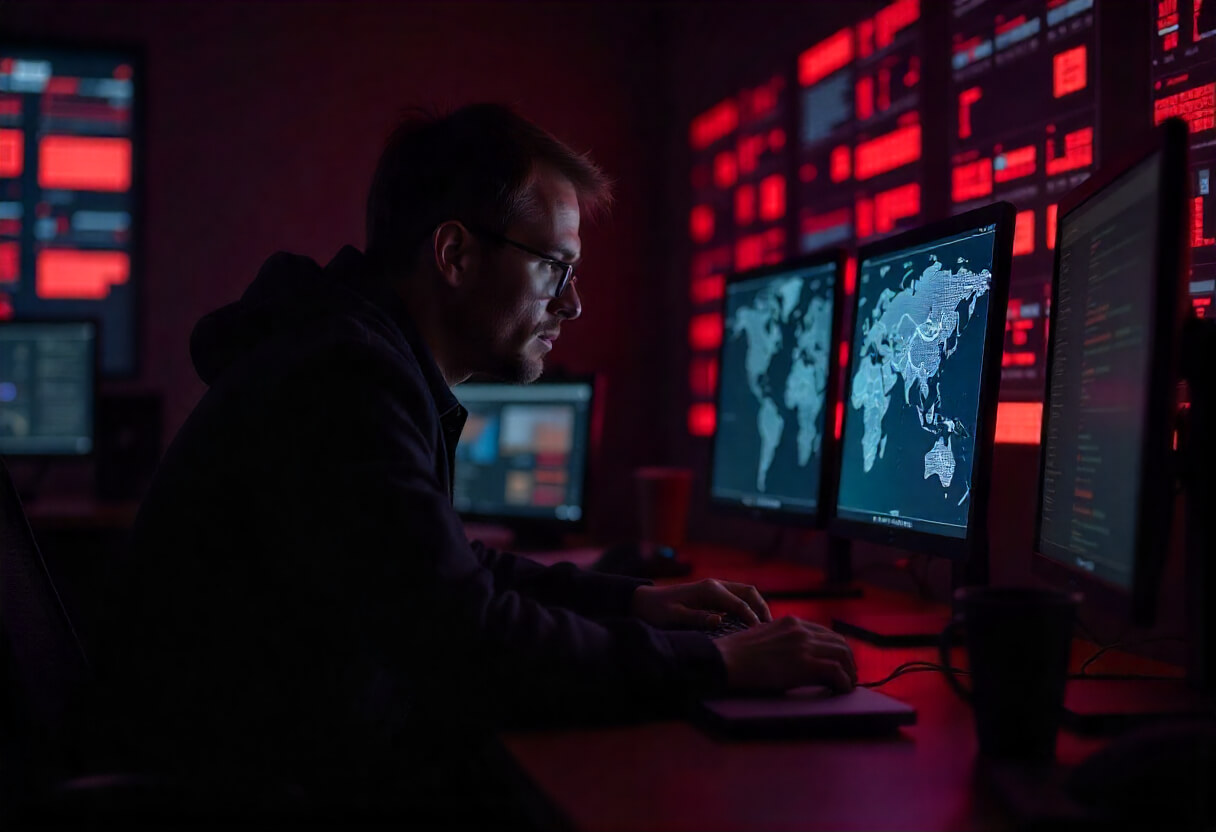
Cyber threats are evolving faster than ever, and 2026 is proving to be a critical year for cybersecurity and data privacy. As businesses and individuals rely more on digital systems, attackers are becoming more sophisticated, using AI-driven techniques and exploiting human behavior. Understanding the latest cybersecurity trends is no longer optional—it’s essential.
Below are the 10 most important cybersecurity and data privacy trends in 2026 that everyone should be aware of.
1️⃣ AI-Powered Cyber Attacks
Hackers are now using Artificial Intelligence to automate phishing, crack passwords, and bypass traditional security systems. These attacks adapt in real time, making them harder to detect. Defensive AI is becoming equally important to counter these threats.
2️⃣ Zero Trust Security Becomes the Standard
The “trust but verify” model is officially outdated. Zero Trust assumes that no user or device is trusted by default, even inside the network. Continuous authentication and strict access controls are now essential for modern organizations.
3️⃣ Ransomware Is More Targeted Than Ever
Ransomware attacks are shifting from mass attacks to highly targeted operations against hospitals, enterprises, and governments. Attackers steal data first, then demand payment, increasing pressure on victims to comply.
4️⃣ Data Privacy Regulations Are Expanding
Governments worldwide are strengthening data protection laws. Organizations must comply with stricter privacy rules or face heavy penalties. Transparency, consent management, and secure data handling are top priorities.
5️⃣ Identity Theft Through Deepfakes
Deepfake technology is being used to impersonate executives, employees, and even family members. Voice cloning and realistic video manipulation are now serious security threats, especially in financial fraud.
6️⃣ Cloud Security Risks Are Rising
As cloud adoption grows, misconfigured cloud environments remain a leading cause of data breaches. Organizations must focus on encryption, access controls, and continuous monitoring to protect cloud-based assets.
7️⃣ Passwords Are Slowly Disappearing
Traditional passwords are being replaced by biometric authentication, passkeys, and multi-factor authentication. This shift reduces the risk of credential theft and improves user security.
8️⃣ Supply Chain Attacks Increase
Attackers now target software vendors and service providers to infiltrate multiple organizations at once. A single compromised update can affect thousands of systems, making vendor security a critical concern.
9️⃣ Privacy-First Browsing and Tools
Users are becoming more privacy-conscious. Secure browsers, VPNs, encrypted messaging apps, and tracker blockers are gaining popularity as people seek control over their personal data.
🔟 Cybersecurity Skills Are in High Demand
The global shortage of cybersecurity professionals continues to grow. Ethical hackers, security analysts, and privacy experts are among the most in-demand tech roles in 2026.
Final Thoughts
Cybersecurity is no longer just an IT issue—it’s a personal, business, and national concern. As technology advances, so do the threats. Staying informed about cybersecurity trends helps individuals protect their digital lives and organizations safeguard their critical systems.
In 2026, proactive security, strong privacy practices, and continuous awareness are the keys to staying safe in an increasingly connected world.