
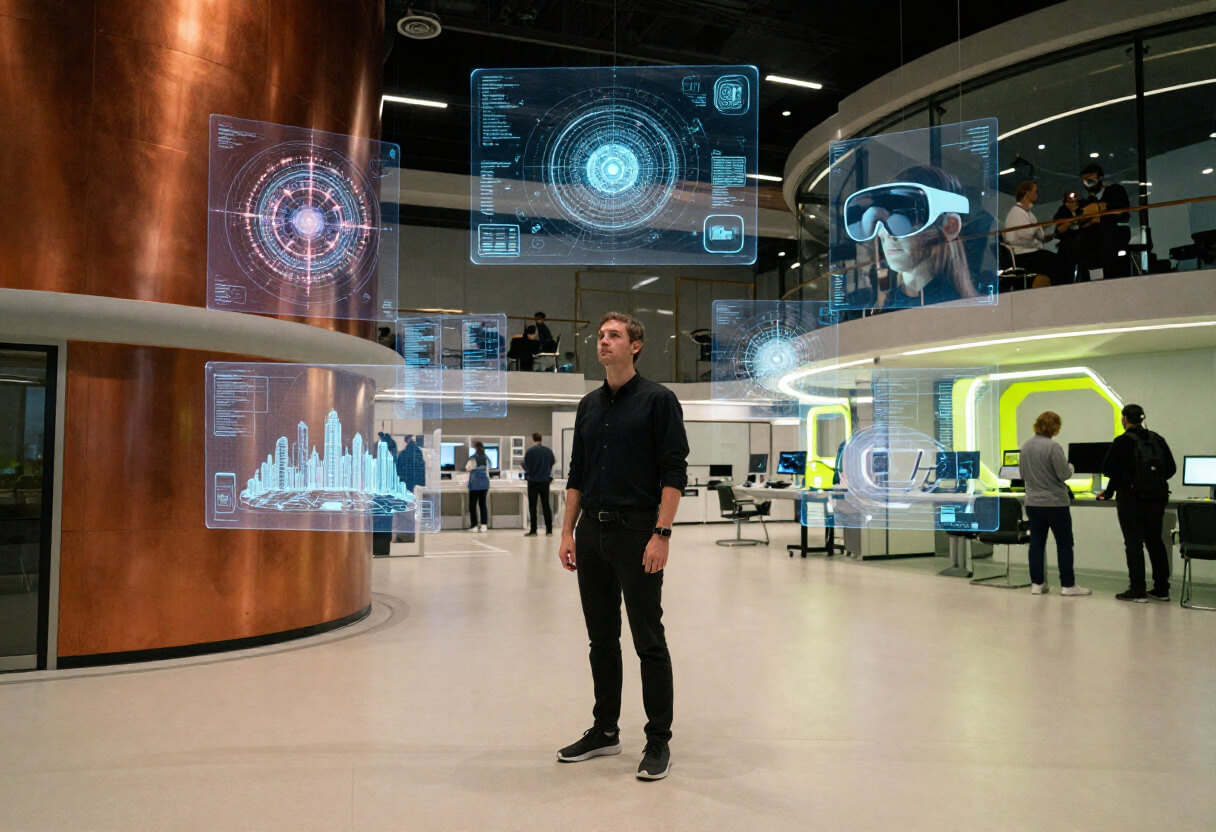
Technology is evolving at a speed that is redefining industries, economies, and daily life. In 2026, emerging technologies are no longer confined to research labs—they are actively shaping how people work, communicate, and solve global challenges. These innovations represent the next phase of the digital revolution.
One of the most impactful developments is the expansion of smart and connected systems. Devices, infrastructure, and platforms are now designed to communicate with each other seamlessly. Smart homes, smart cities, and intelligent transportation systems rely on advanced sensors, real-time data processing, and automation to improve efficiency and quality of life.
Quantum computing continues to gain attention as a future-defining technology. While still developing, quantum systems are already being tested for complex simulations that traditional computers struggle to handle. Industries such as pharmaceuticals, finance, and climate research are exploring quantum-powered solutions to accelerate discoveries and improve accuracy.
Another major innovation area is extended reality, which includes Augmented Reality (AR), Virtual Reality (VR), and Mixed Reality (MR). These technologies are transforming how people learn, train, and collaborate. Instead of reading manuals or watching videos, users can now interact with immersive environments that simulate real-world scenarios. This is especially valuable in education, healthcare training, and industrial operations.
Decentralization is also changing the digital landscape. Technologies that support decentralized platforms are enabling users to own their data, digital assets, and online identities. This shift reduces dependence on centralized systems and introduces new models for trust, transparency, and digital ownership.
Emerging technologies are also driving progress in automation and intelligent infrastructure. Smart factories use robotics, AI-driven monitoring, and predictive maintenance to reduce downtime and increase productivity. These systems can detect inefficiencies early and adapt automatically, creating more resilient operations.
Sustainability plays a critical role in modern innovation. New technologies are being developed with energy efficiency and environmental impact in mind. Examples include low-power computing, intelligent energy grids, and sustainable materials. Innovation is no longer just about performance—it is also about responsibility.
Some of the key areas where emerging technologies are making an impact include:
-
Smart infrastructure and urban development
-
Advanced computing and simulation
-
Immersive digital experiences
These technologies are not isolated; they often work together to create intelligent ecosystems.
However, rapid innovation also introduces challenges. Security risks, ethical concerns, and unequal access to technology must be addressed carefully. Without proper regulation and awareness, emerging technologies can widen digital divides instead of closing them.
Looking ahead, the success of emerging technologies will depend on integration and adaptability. Businesses, governments, and individuals who understand and embrace these changes early will be better positioned for long-term success. The focus is shifting from experimenting with technology to applying it meaningfully.
In conclusion, emerging technologies in 2026 are shaping a new digital era defined by intelligence, connectivity, and sustainability. Staying informed about these innovations is essential for navigating the future with confidence.